Insights on customs automation.
Deep dives into document processing, supply chain optimization, and how modern AI is transforming international trade.

The Documents a Shipment Needs at Its Destination, One by One
Six kinds of document make up the file a commercial shipment needs where it lands: the transport document, the commercial invoice, the packing list, proof of origin, certificates for regulated goods, and the importer's own filings. Here is what each one is and what the US, Canada, the EU, the UK, Australia, Japan and Mexico ask of it, from the regulators' own text.

Close Enough to Flag: What Sanctions Name Matching Catches and Misses
We ran our sanctions screen against 72,620 listed parties, rewriting each name the way it might appear on a shipping document. Typos and an added suffix were flagged every time or nearly so. The same words in a different order were missed 99% of the time.

Everything After Digit Six: Why One HS Code Lands on Four Different Tariff Lines
The first six digits of an HS code mean the same thing in every customs administration. The digits after them belong to the destination, and the same cotton T-shirt sits on 14 lines in the US schedule, 2 in the EU and Great Britain, and 6 in Canada. A code copied from one schedule onto another is a code that may not exist.

The Other Half of the File: CBP Moves to Collect the Export Paperwork Too
On September 2nd, 2026, CBP asked 64 questions about requiring the documents your supplier filed with its own customs authority, replacing the manufacturer ID with real identities, and reconciling the export side of a shipment against the import entry. Comments close December 1st.

The Importer Number Is Now Perishable: CBP Starts Voiding IOR Records September 18th
Starting September 18th, 2026, CBP will void importer of record numbers over inaccurate Form 5106 data - and a voided number cannot make entry. The first concrete implementation of EO 14411 targets the most mundane record in the file.

One Field, Three Questions: How Country of Origin Actually Works
The origin field on an invoice looks like a plain fact about the goods. It is the answer to three separate legal tests - one for duty, one for preference, one for the label - and the three answers do not have to agree.

Show Your Work: Filing Records Under Executive Order 14411
On September 1st, 2026 the discretion to negotiate a customs penalty down mostly disappears. That changes what a filing record has to be able to prove, and which parts of proving it are mechanical.

When the Papers Disagree: Cross-Checking HS Codes Across a Shipment
The same goods can carry an HS code on the invoice, the certificate of origin, and the bill of lading - and the three do not always agree. Here is how a declared code gets checked twice: once against the goods it describes, and once against the other papers in the bundle.

The 15 Most Common Commercial Invoice Errors That Cause Customs Delays
The 15 commercial invoice errors that most often trigger customs holds, exams, and penalties, and how forwarders and brokers can catch them before filing.

Import Document Requirements for Canada: What Commercial Shipments Need in 2026
The documents a commercial import into Canada actually requires in 2026: CARM registration, the release package, invoice rules under D1-4-1, the CAD, and CUSMA certification of origin.

How to Classify Goods for Customs: An HS Code Guide for Freight Forwarders
A working classification process for the forwarding desk: describe the product properly, find candidate headings, read the legal notes, apply the GRI in order, and know when to escalate.

Bill of Lading vs. Packing List vs. Commercial Invoice: What Customs Actually Checks
The three core shipping documents answer different questions, and customs reads them as a set. A practical pre-filing checklist, plus the cross-checks that surface a problem before it becomes a hold.

When the Scan Is the Problem: Extracting Data from Degraded Documents
Faded thermal paper, third-generation faxes, stamps across the total box - customs documents arrive in rough shape. Here is why degraded scans defeat text-first pipelines, and how modern extraction reads them anyway.

Absorbing the Entry Surge Without Growing the Team
Entry volume is multiplying faster than any hiring plan can follow. The teams that keep up are changing the math of each entry - the touch time and the exception rate - not the headcount.

The Commercial Invoice: The Document That Decides Your Entry
Every formal entry stands or falls on the commercial invoice behind it. Here is what US customs actually requires on one, the gaps that stall clearance, and how to catch them before they cost you.

Inside a Formal Customs Entry: The Forms, the Data, and the Deadlines
Now that low-value shipments need formal entries, a lot more teams have to know what one actually involves. Here is the anatomy - the forms, the data, and the deadlines - and why it comes down to your documents.

What the 2026 Customs Changes Mean for Your Document Workload
Two regulatory shifts - the end of US de minimis and the EU's customs overhaul - are quietly multiplying the number of formal entries brokers and forwarders file. Here's what's changing, and why it lands on your document desk.

How AI Is Transforming Customs Document Processing
Discover how machine learning is revolutionizing the way customs documents are processed, moving beyond traditional OCR to intelligent field extraction with confidence scoring.
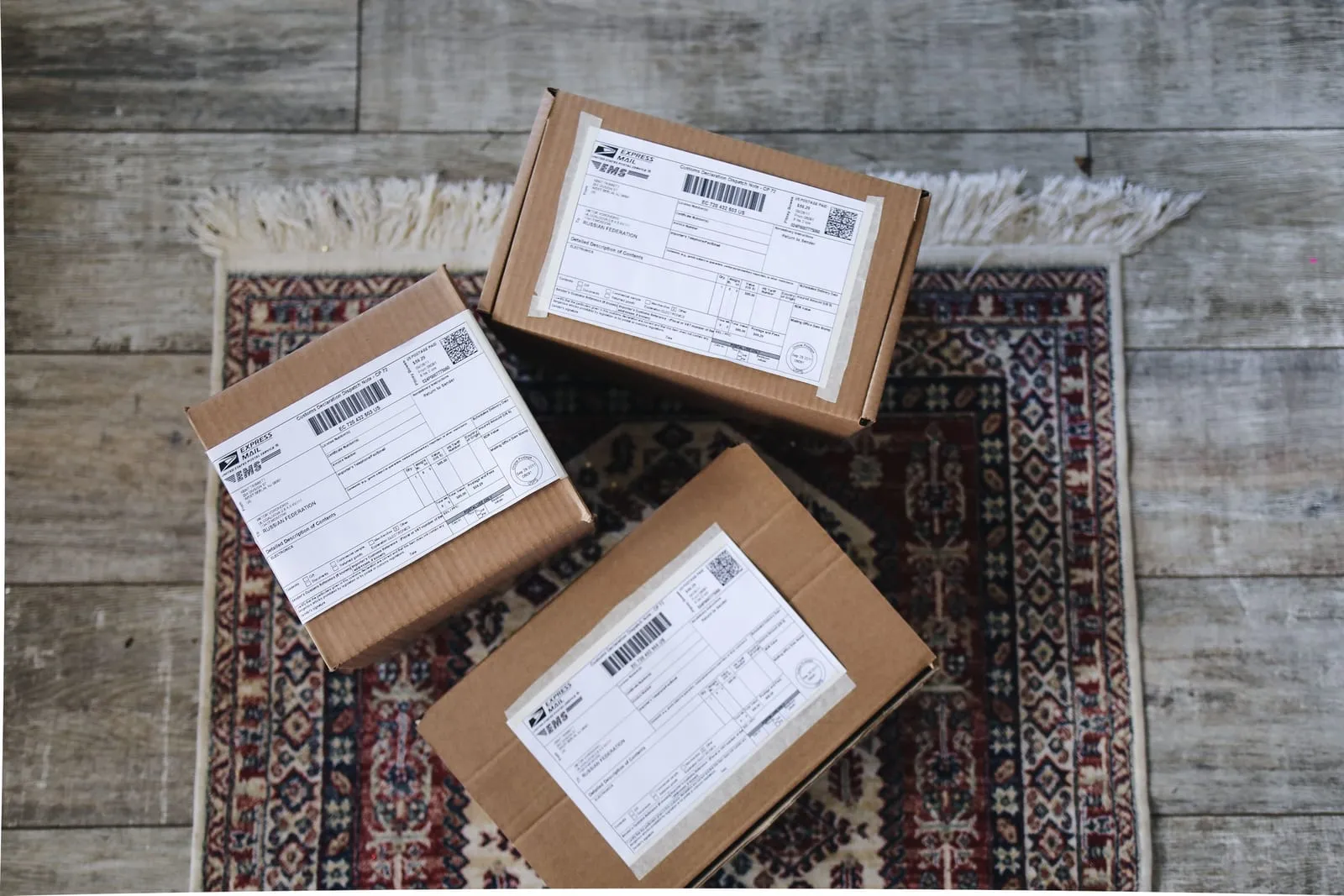
Understanding HS Codes: A Complete Guide for Importers
Navigate the complexity of Harmonized System codes with our comprehensive guide covering the WCO framework, common mistakes, and practical classification tips.

GDPR Compliance for Logistics Companies
Learn how to handle personal data in shipping documents responsibly. A practical guide to GDPR requirements for freight forwarding and logistics operations.

The True Cost of Manual Customs Data Entry
Discover the hidden expenses of manual customs document processing. Learn how automation delivers measurable ROI through reduced labor, fewer errors, and faster clearance.

Confidence Scoring in Document Extraction
Understand why per-field confidence scores matter in automated document processing, how they work in practice, and why human-in-the-loop workflows powered by confidence thresholds outperform both manual and fully-automated approaches.
Stop processing documents. Start shipping.
Start free with 10 documents a month. No credit card required.